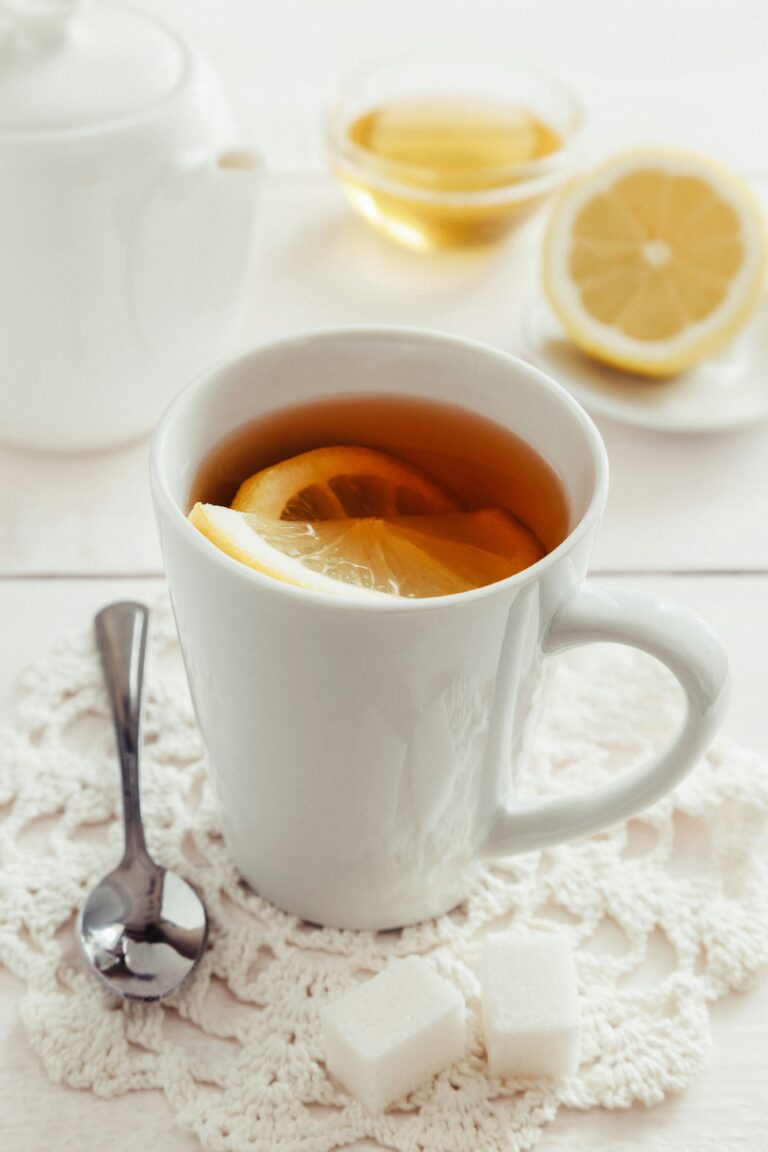
Passionflower and Its Quiet Power
In a world that hums with notifications, deadlines, and constant input, many of us live with a subtle (or not so subtle) layer of mental noise. Thoughts loop. Muscles brace. Sleep feels just out of reach.
One of the botanical allies I return to again and again for this state is Passiflora incarnata — commonly known as passionflower. Especially in the form of a simple, well-crafted herbal tea, this vine offers a gentle yet profound invitation: soften, unclench, come back to yourself.
For the Botanical Virtuoso community, let’s explore how this elegant plant works — and how to prepare it as a ritual of ease.
Passionflower: Softening Mental Noise & Returning the Body to Ease
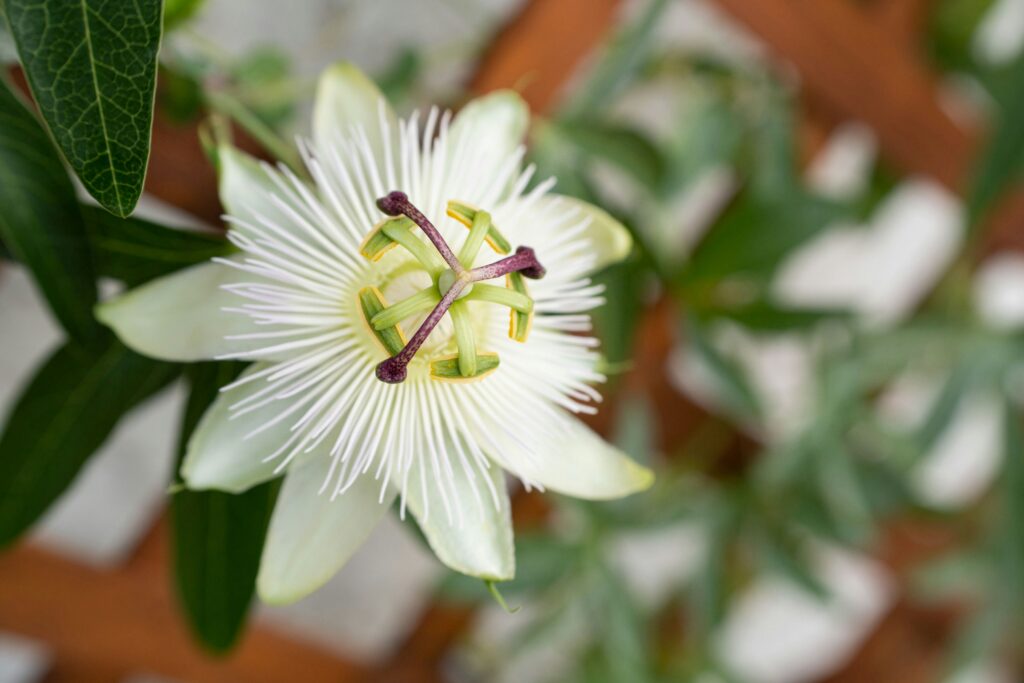
Native to the southeastern United States, passionflower is a climbing vine with intricate, otherworldly blossoms. Its beauty is captivating, but its medicine lies in its aerial parts — leaves, stems, and flowers — traditionally used to calm the nervous system.
Herbalists have long turned to passionflower when the mind feels restless but the body feels tired. It’s not a sedative that knocks you out. Instead, it gently untangles the mind from repetitive loops and tension patterns.
Understanding “Mental Noise”
Mental noise can show up as:
- Racing thoughts at bedtime
- Difficulty transitioning out of work mode
- Nervous tension in the chest or jaw
- A sense of “wired but tired”
- Mild anxious rumination
Often this state reflects a nervous system that’s overstimulated — sympathetic energy (“go mode”) lingering long after it’s needed.
Passionflower shines here.
How Passionflower Supports the Nervous System
While we can speak poetically about plants, there’s also a physiological story. Passionflower contains flavonoids and alkaloids that interact with GABA pathways in the brain — GABA being one of our primary calming neurotransmitters.
In simple terms:
It helps the brain shift out of overactivity and into receptivity.
Unlike stronger nervines that may feel heavy or sedating, passionflower is especially helpful when thoughts feel circular or obsessive. It brings spaciousness without dullness.
People often describe the experience as:
- “My thoughts feel quieter.”
- “I can exhale fully.”
- “I feel present again.”
- “Sleep comes more naturally.”
Passionflower as Tea: A Ritual of Softening
There is something deeply regulating about preparing tea. The act itself slows the nervous system before the plant even touches your lips.
How to Prepare Passionflower Tea
You’ll need:
- 1 tablespoon dried passionflower (aerial parts)
- 1 cup freshly boiled water
Instructions:
- Place the herb in a teapot or heat-safe jar.
- Pour hot water over the herb.
- Cover and steep for 10–15 minutes (covering preserves volatile compounds).
- Strain and sip slowly.
For deeper nervous system support, you can steep it longer — up to 20 minutes.
Taste-wise, passionflower is mildly earthy and slightly grassy. Some enjoy blending it with:
- Lemon balm for uplifted calm
- Chamomile for softness
- A touch of raw honey for warmth
When to Reach for Passionflower
Passionflower tea is particularly helpful:
- In the evening to transition toward sleep
- After a stimulating day
- During periods of mild anxious overthinking
- When your body feels tight but exhausted
- Before meditation or breathwork
It pairs beautifully with slow breathing, journaling, or simply sitting quietly.
The Subtle Power of Gentle Plants
Not all medicine needs to be forceful. Passionflower teaches us that softening is strength.
Rather than suppressing mental activity, it supports integration. Rather than pushing the body into shutdown, it invites natural rhythm to return.
In the language of herbal energetics, passionflower cools excess heat in the mind and relaxes tension in the nervous system. It helps us come back into coherence.
A Word of Care
As with any herb, passionflower may not be suitable for everyone — particularly during pregnancy or if you are taking sedative medications. Always consult a qualified healthcare professional if you are unsure.
Herbal medicine is most powerful when approached with respect and attentiveness.