
The Spaces That Soften Us
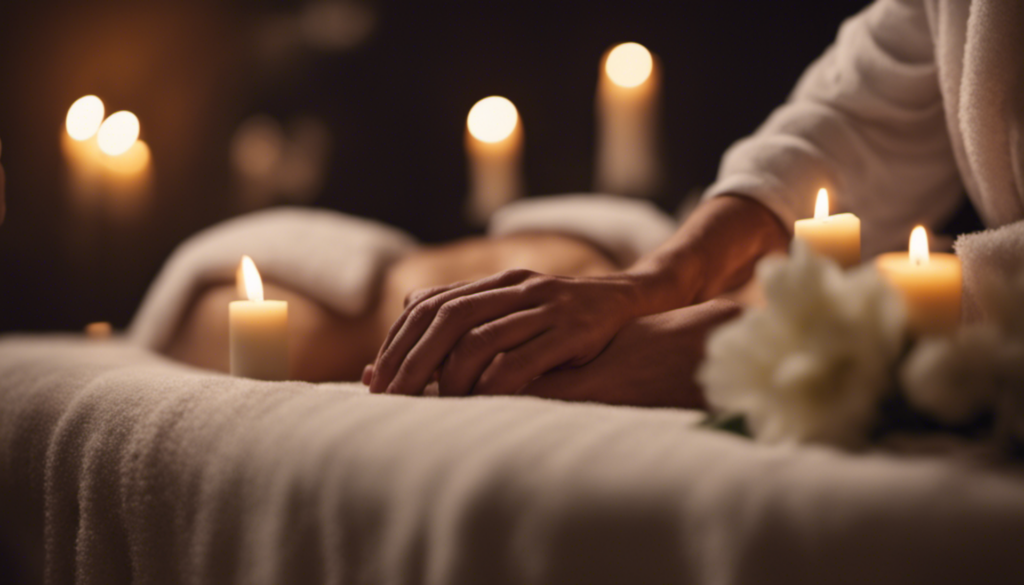
Our surroundings quietly shape how easily we soften.
We often focus on what we are doing to regulate — breathing techniques, meditation, herbal teas — yet the environment holding us plays just as powerful a role. The nervous system is constantly scanning for cues of safety or threat. It notices light, texture, order, scent, temperature, familiarity.
A quiet corner.
Warm light.
Familiar objects.
The presence of plants.
These are not aesthetic luxuries. They are signals.
When chosen intentionally, they can transform a room into somewhere the body recognises as refuge.
Creating a Corner of Refuge
Not every space needs to be redesigned. Often, one corner is enough.
A comfortable chair.
A soft wool blanket.
A small wooden table.
A plant within view.
A gentle lamp casting warm light.
When the same corner is used repeatedly for rest — reading, journaling, tea, breath work — the nervous system begins to associate that physical location with settling. Over time, simply sitting down becomes the first exhale.
Repetition builds safety.
Evening Light and the Art of Softening
Light has a profound influence on our internal rhythms.
Bright, cool lighting keeps the mind alert and scanning. Warm, dim light signals transition. It tells the body the day is closing.
In my own space, I gravitate toward:
- Candles placed with simplicity and order.
- Low, warm lamps.
- Himalayan salt lamps, with their soft amber glow.
A Himalayan salt lamp offers more than aesthetics. Its muted, earthy light reduces harsh contrast and encourages the eyes — and therefore the brain — to relax. Whether or not one focuses on additional claims often associated with them, the gentle glow alone can support a calming evening ritual.
Candles, when arranged intentionally rather than scattered, bring a sense of order. There is something deeply regulating about symmetry and simplicity. One candle on a table. Two balanced on either side. Nothing excessive.
Order reduces cognitive load. The mind does not need to process visual chaos.
It can arrive.
Natural Textiles and the Intelligence of Touch
Texture is another language of safety.
Our skin is our largest organ. It absorbs, senses, and responds continuously. The fabrics we wear and rest against matter more than we often realise.
Although not all my clothes consist of these natural textiles when I can I consciously choose:
- Wool
- Linen
- 100% organic cotton
These natural fibres breathe. They regulate temperature. They soften with time. They move with the body rather than trapping heat and moisture.
Minimising polyester and elastane reduces contact with synthetic materials that may contain chemical residues such as BPA-related compounds used in certain manufacturing processes. While modern textiles vary widely in quality, choosing natural fibres where possible simplifies what rests against the skin daily.
Wool blankets ground and warm.
Linen bedding cools and breathes.
Cotton layers feel gentle and uncomplicated.
The body relaxes more easily when it is not subtly irritated or overheated. Comfort becomes physiological, not just aesthetic.
Plants as Living Companions
The presence of plants changes a room immediately.
Greenery softens edges. Leaves shift the visual field from rigid lines to organic shapes. Even one or two well-placed plants can introduce life into a space that feels static.
Caring for plants also creates rhythm — watering, trimming, observing growth. These small acts tether us to slower cycles.
A room with plants feels inhabited in a different way. Less manufactured. More alive.
And the nervous system recognises natural elements as familiar.
Teas and Botanical Companions for Gentle Evenings
When shaping a comforting environment, I often complement it with botanical supports that align with the slower atmosphere.
In warm light, wrapped in wool, sitting in stillness, certain herbal infusions deepen the sense of ease:
- Chamomile — soft and reassuring.
- Lemon balm — gently uplifting without stimulation.
- Passionflower — supportive for busy evening thoughts.
- Lavender — aromatic calm in both tea and oil form.
- Tulsi (Holy Basil) — balancing and steadying.
Preparing tea itself becomes part of the environment. The steam rising in low light. The warmth in the hands. The repeated ritual of steeping and sipping.
The body begins to associate this combination — warm light, natural fibres, plant presence, herbal infusion — with unwinding.
Over time, this pairing becomes powerful.
Simplicity and the Mind
Clutter demands attention.
Every object in a room holds visual weight. When surfaces are crowded, the mind continues to process, categorise, and respond — even subconsciously.
Living simply, with a minimalistic outlook, reduces that mental load. It is not about emptiness but about intention.
Keep what feels useful.
Keep what feels meaningful.
Let go of what creates noise.
Clear surfaces.
Ordered shelves.
Open space.
When the environment is calm, the mind follows.
Shaping Space So the Mind Can Arrive
We cannot always change the pace of the world outside.
But we can shape the space we return to.
A quiet corner.
Warm amber light.
Natural textiles against the skin.
Plants within reach.
A simple cup of herbal tea.
These are gentle cues that say: you can soften now.
When the body softens, the mind arrives.
And in that arrival — unhurried, unforced — we begin to experience home not just as a place, but as a feeling.