
Discover the Calming Traditions Behind Chamomile
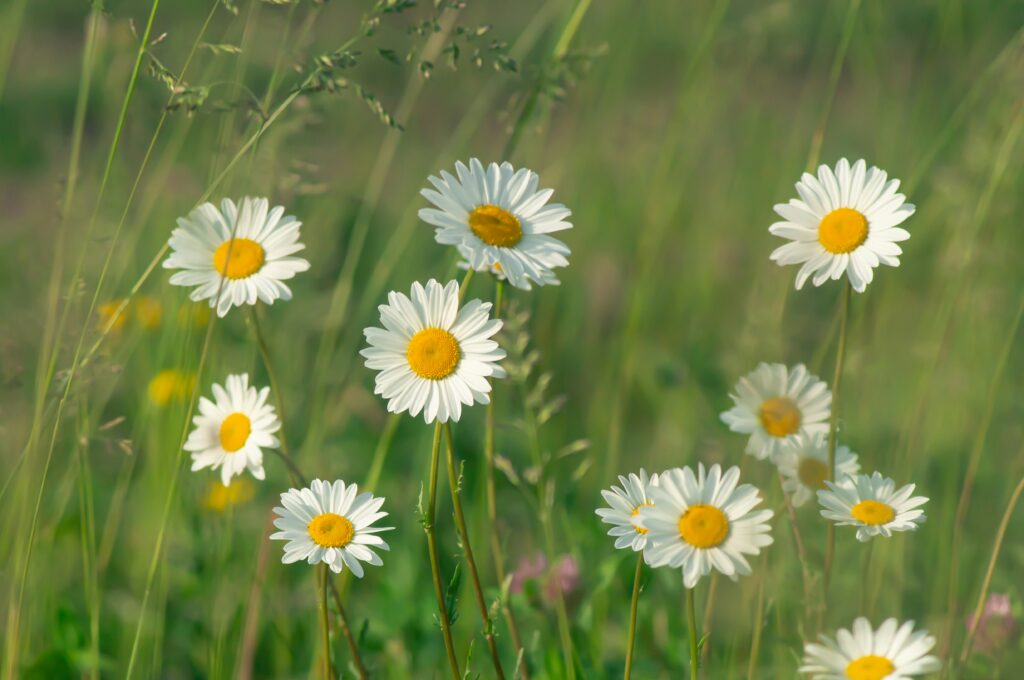
For centuries, chamomile has been quietly woven into evening rituals across cultures — a gentle companion at the end of the day, steeped not just for its flavour, but for its ability to invite calm and rest. Simple, familiar, and deeply comforting, chamomile remains one of the most trusted herbs for peaceful evenings.
A Flower with a Long History of Calm
Chamomile’s story stretches back thousands of years. Ancient Egyptians valued it highly, dedicating the flower to their sun god for its soothing and restorative qualities. In ancient Greece and Rome, chamomile was commonly used to ease tension and support digestion after meals — a practice that naturally lent itself to more restful nights.
Across Europe, chamomile became a staple in household herbal traditions. It was often brewed in the evenings, added to baths, or tucked into pillows to promote relaxation. These traditions weren’t complicated or ceremonial — they were practical, everyday ways of working with plants to support wellbeing.
Why Chamomile Feels So Soothing
Chamomile (most commonly Matricaria chamomilla or German chamomile) contains natural plant compounds that interact gently with the nervous system. While modern science continues to explore exactly how these compounds work, chamomile has long been associated with:
- A sense of relaxation and ease
- Helping the body wind down after a busy day
- Supporting a calm transition into evening routines
What makes chamomile especially beloved is its mild nature. It doesn’t overwhelm the senses or force rest — instead, it encourages slowing down, both mentally and physically.
Making Chamomile Part of Your Evening Ritual
One of chamomile’s greatest strengths is how easy it is to use. No elaborate preparations required — just a few mindful moments.
A simple chamomile infusion:
- Use 1–2 teaspoons of dried chamomile flowers per cup of hot water
- Cover and steep for 5–10 minutes
- Strain and enjoy slowly, ideally away from screens and bright lights
Taking time to inhale the gentle apple-like aroma before sipping can be just as calming as the tea itself.
Other traditional evening uses include:
- Adding a strong chamomile infusion to a warm foot soak or bath
- Using chamomile steam to relax facial muscles and breathing
- Placing dried flowers near the bed for a soft, comforting scent
Chamomile as a Signal to Slow Down
Historically, chamomile wasn’t used in isolation — it worked best as part of an intentional evening rhythm. Brewing tea marked the end of work. Lower lighting, quieter activities, and warmth all reinforced the body’s natural readiness for rest.
In today’s fast-paced world, chamomile can still play that role. Think of it less as a “sleep aid” and more as a gentle signal — a reminder to pause, soften, and prepare for rest.
A Few Gentle Considerations
Chamomile is generally well tolerated, but as with any herb, it’s best to approach it thoughtfully. Those with sensitivities to plants in the daisy family may wish to start with small amounts. Keeping preparations simple and consistent often brings the most benefit.
A Timeless Evening Ally
Chamomile’s enduring presence in herbal traditions speaks to its quiet effectiveness. It doesn’t promise instant transformation — instead, it offers something subtler and perhaps more valuable: a steady, comforting support for peaceful evenings, night after night.
In reconnecting with chamomile, we reconnect with an old wisdom — that rest begins not at bedtime, but in the gentle choices we make as the day comes to a close.